

 Cabin comparison
 Seat vs Sleeper Cabin: which night-train cabin should you pick?
A side-by-side look at Seat and Sleeper Cabin on night trains — what you actually get, how much privacy and sleep to expect, and what each typically costs.
Side by side
| Seat | Sleeper Cabin | |
|---|---|---|
| Privacy | ||
| Comfort | ||
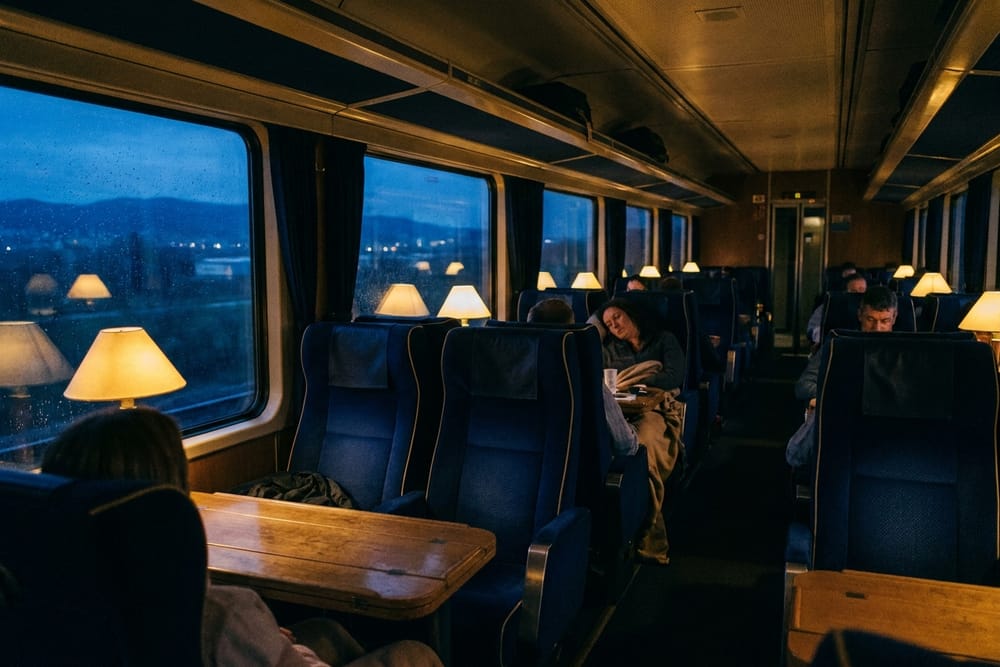
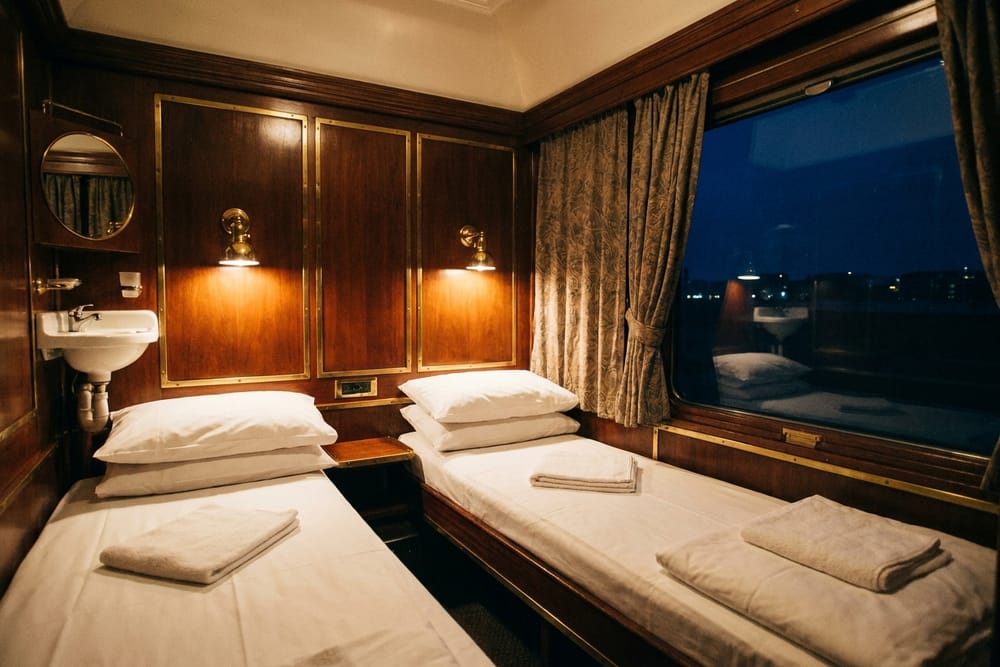
| What you get | 1 reclining seat | 1-3 beds per compartment |
| Ideal for | Budget travellers on shorter overnight hops | Couples, families and comfort-focused travellers |
| Typical price from | €19 | €60 |
Which one should you book?
 Costs about €41 less
- Budget travellers on shorter overnight hops
- Reclining seat
- Power socket (most trains)
- More privacy
- More comfort
- Couples, families and comfort-focused travellers
- Made-up bed with linen
- In-compartment washbasin on most operators
*Typical prices — they vary by route, operator and season. Updated 2026-07.
Routes where you can choose either

 Rome
Rome  14h 00m
 Nightjet



Common questions
What is the difference between Seat and Sleeper Cabin?
The cheapest way to travel overnight, in a shared open or compartment seating car similar to a daytime train. Comfort varies significantly by operator and rolling-stock age, and sleep quality is generally the lowest of the four categories. A private or semi-private compartment with proper beds rather than bunks, usually including a washbasin and breakfast. This is the standard mid-range choice on most European night trains.
Is Sleeper Cabin worth the extra money?
Costs about €41 more. A private or semi-private compartment with proper beds rather than bunks, usually including a washbasin and breakfast. This is the standard mid-range choice on most European night trains.
Which is better for solo travellers?
Sleeper Cabin: Couples, families and comfort-focused travellers. Seat: Budget travellers on shorter overnight hops.