

 Confronto cabine
 Posto a sedere o Vagone letto: quale cabina scegliere sul treno notturno?
Mettiamo a confronto Posto a sedere e Vagone letto sui treni notturni: cosa ottieni davvero, quanta privacy e quanto sonno aspettarti e quanto costano di solito.
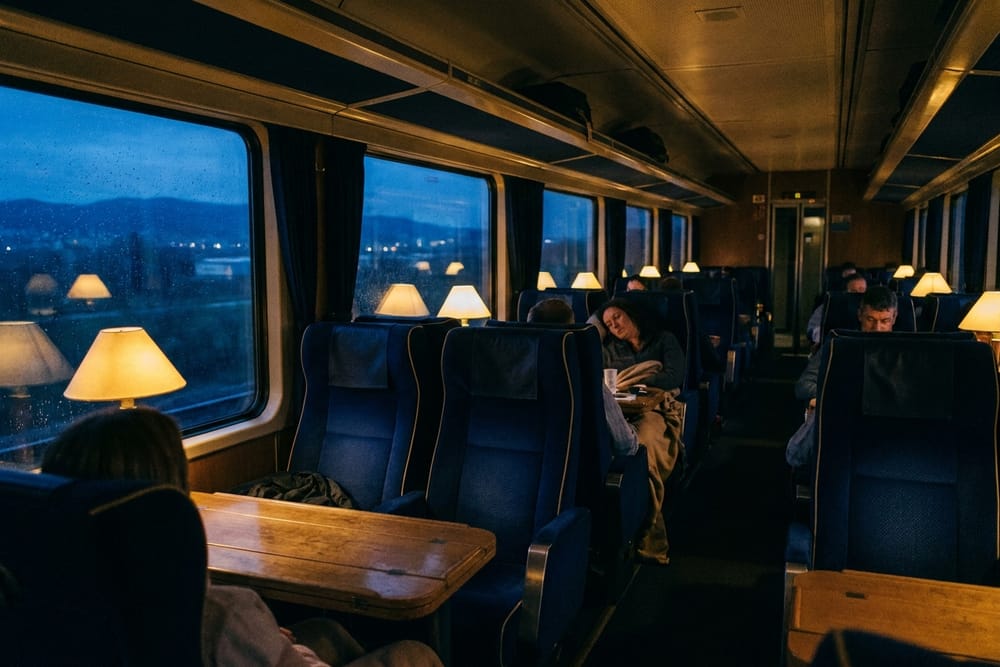
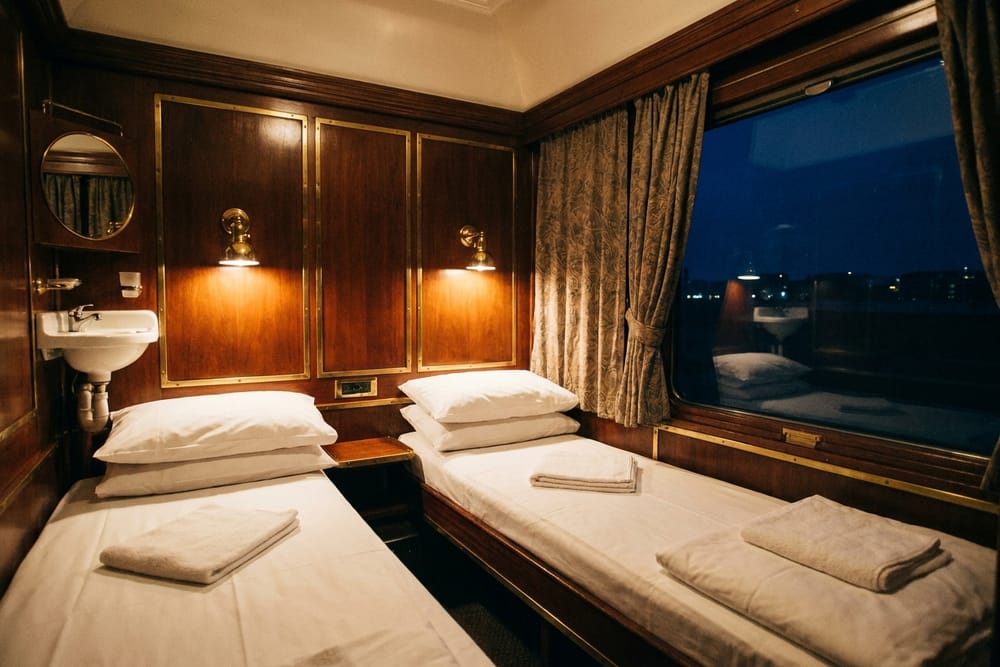
Fianco a fianco
| Posto a sedere | Vagone letto | |
|---|---|---|
| Privacy | ||
| Comfort | ||
| Cosa include | 1 reclining seat | 1-3 beds per compartment |
| Ideale per | Budget travellers on shorter overnight hops | Couples, families and comfort-focused travellers |
| Prezzo indicativo a partire da | 19 € | 60 € |
Quale prenotare?
 Costa circa 41 € in meno
- Budget travellers on shorter overnight hops
- Reclining seat
- Power socket (most trains)
- Più privacy
- Più comfort
- Couples, families and comfort-focused travellers
- Made-up bed with linen
- In-compartment washbasin on most operators
*Prezzi indicativi — variano in base a tratta, operatore e stagione. Aggiornato il 2026-07.
Tratte dove puoi scegliere entrambe
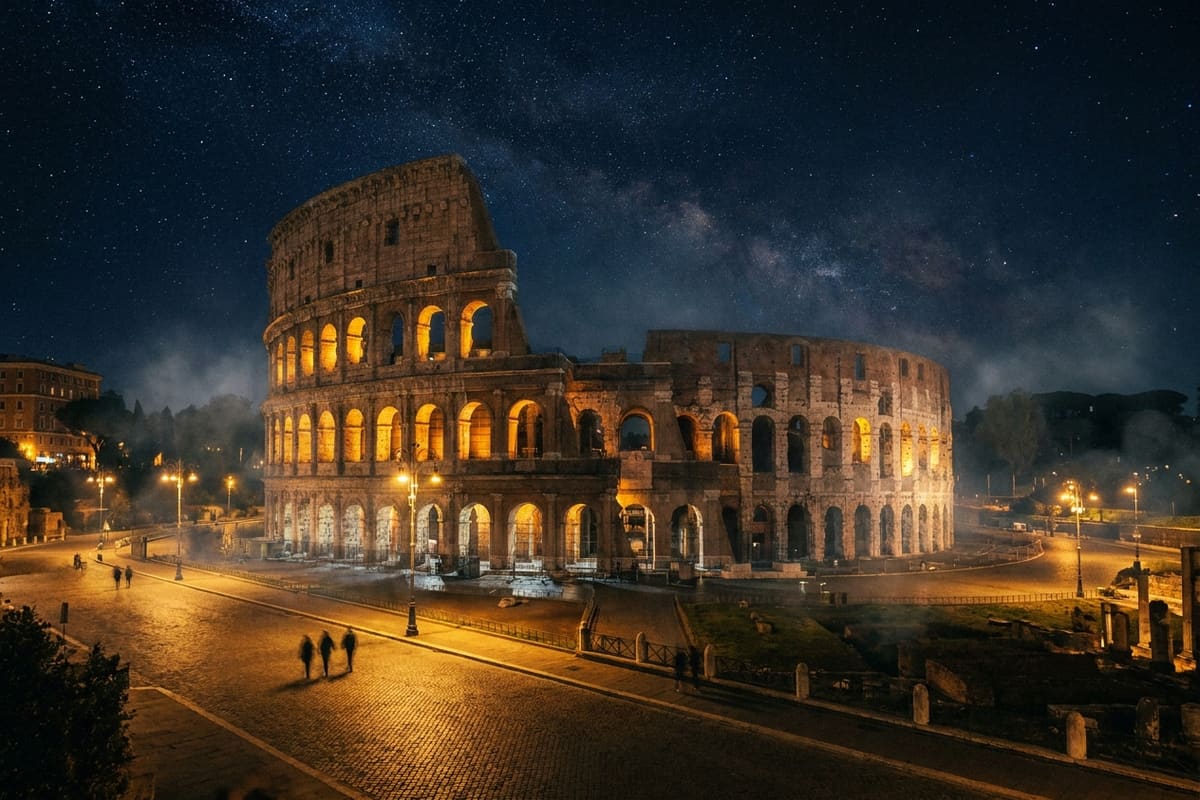 Panoramico
  Roma
Roma  14h 00m
  Nightjet

 Panoramico Roma 13h 58m Nightjet
 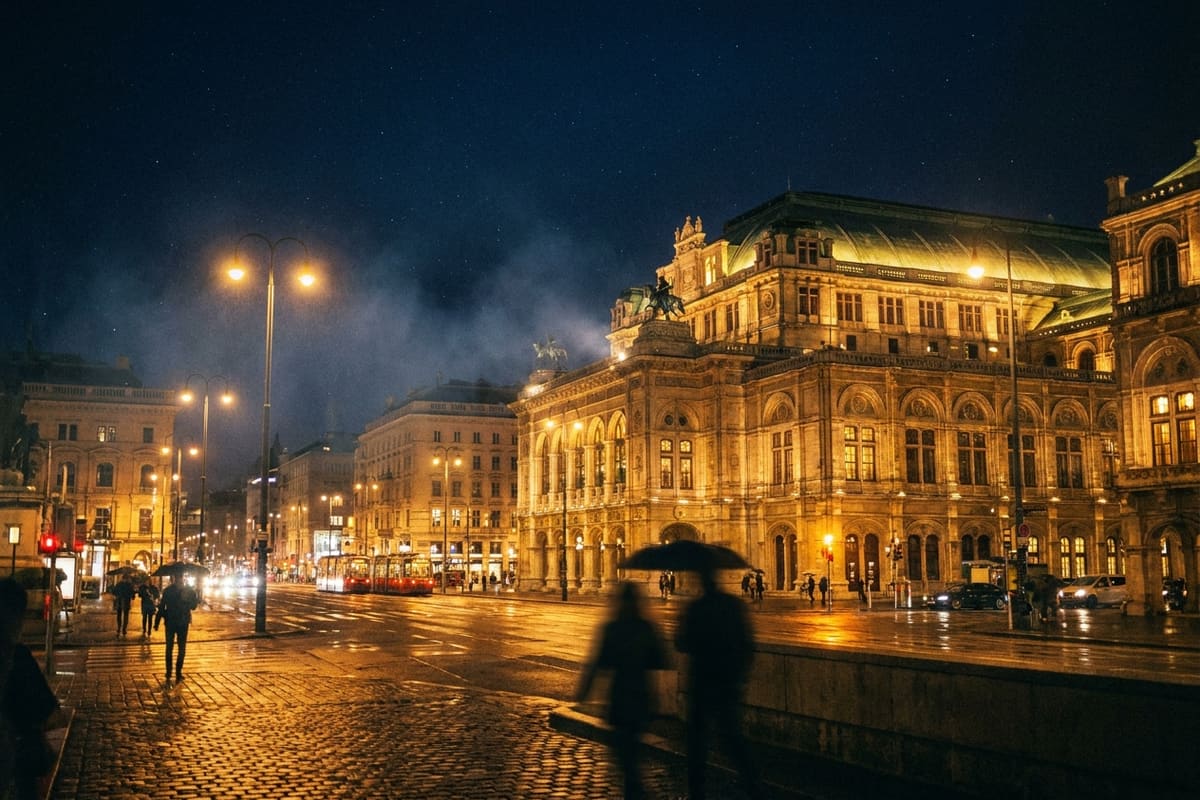 Popolare Vienna 14h 49m Nightjet Fuga in città Vienna 11h 30m Nightjet Transfrontaliero Vienna 15h 00m Nightjet
 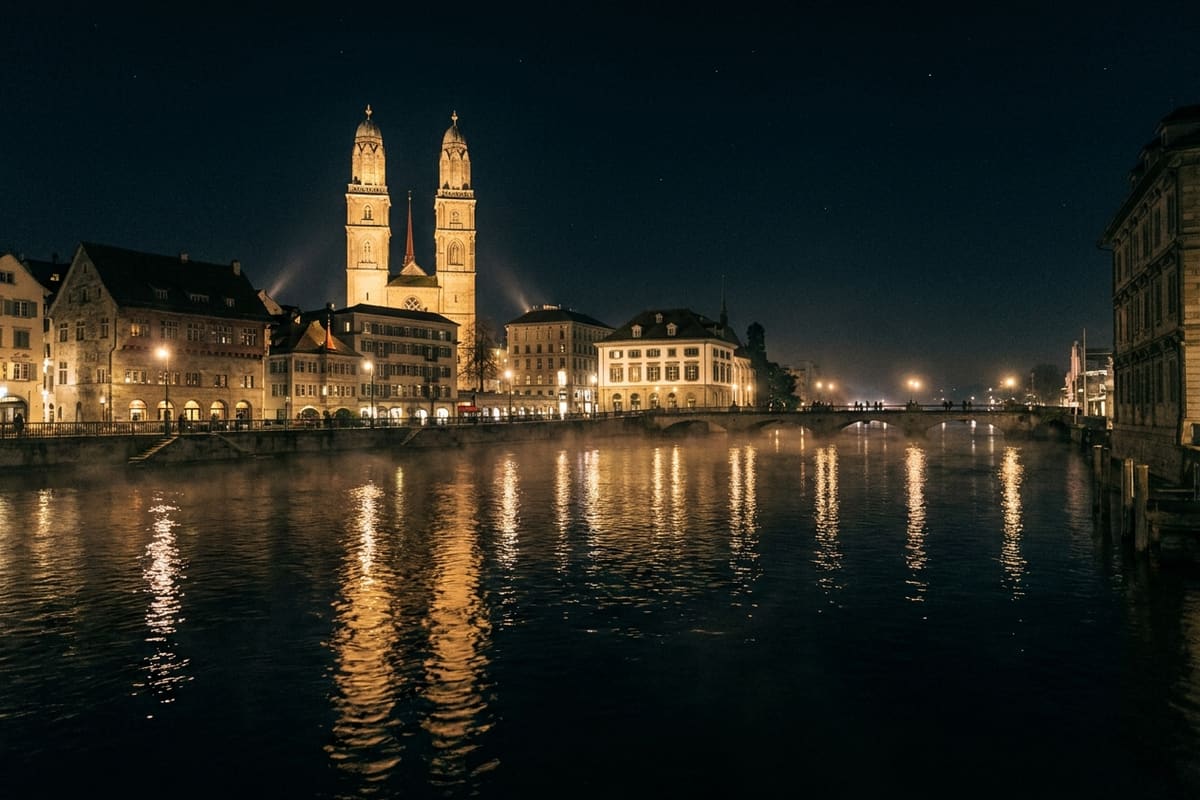 Classico Zurigo 13h 30m Nightjet
 Domande frequenti
Qual è la differenza tra Posto a sedere e Vagone letto?
The cheapest way to travel overnight, in a shared open or compartment seating car similar to a daytime train. Comfort varies significantly by operator and rolling-stock age, and sleep quality is generally the lowest of the four categories. A private or semi-private compartment with proper beds rather than bunks, usually including a washbasin and breakfast. This is the standard mid-range choice on most European night trains.
Vale la pena spendere di più per Vagone letto?
Costa circa 41 € in più. A private or semi-private compartment with proper beds rather than bunks, usually including a washbasin and breakfast. This is the standard mid-range choice on most European night trains.
Quale conviene a chi viaggia da solo?
Vagone letto: Couples, families and comfort-focused travellers. Posto a sedere: Budget travellers on shorter overnight hops.