

Night-train destinations
Cities you can reach by sleeper train, and the ones you can leave from. Pick a destination to see every night train that serves it.








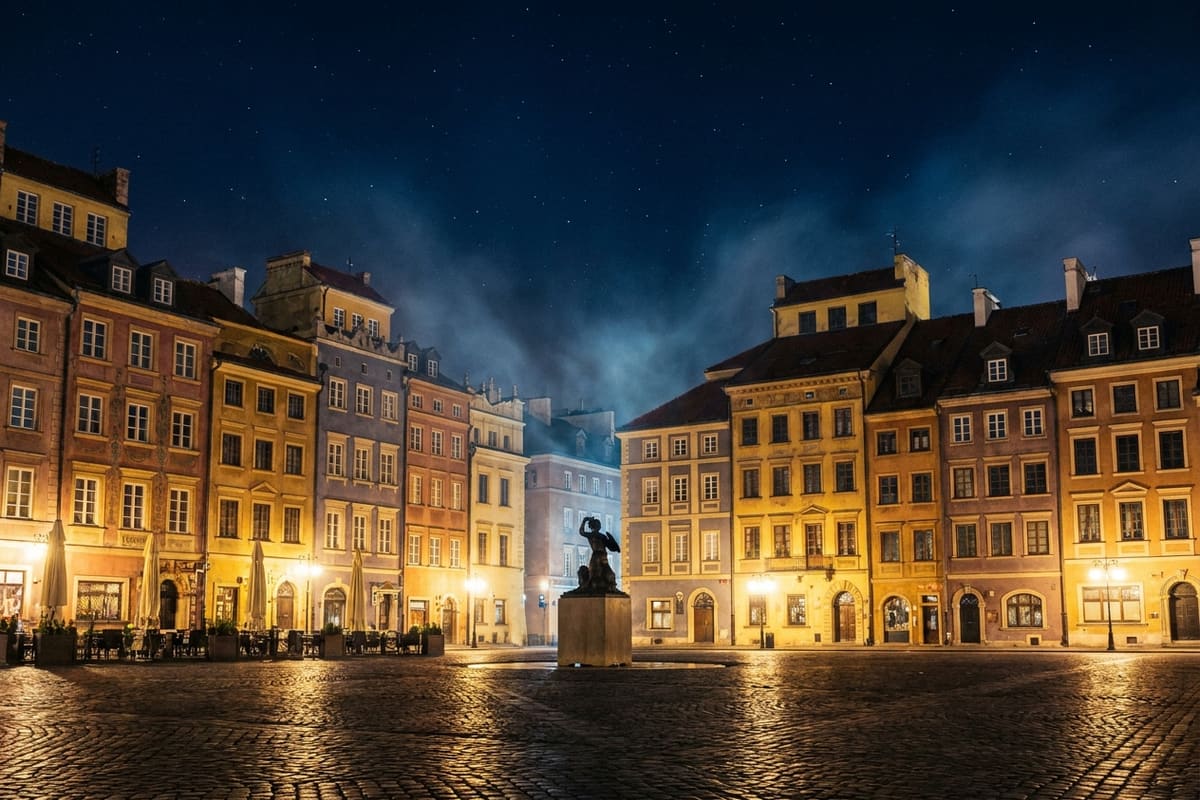
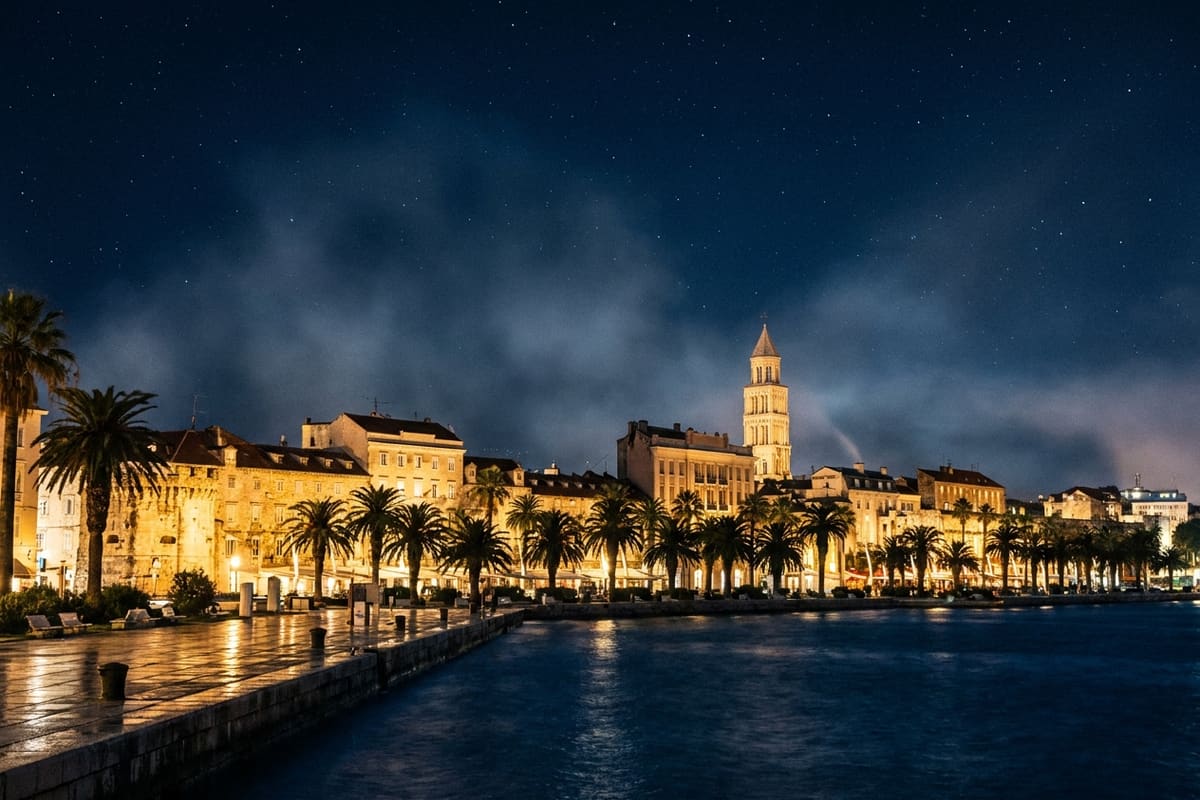

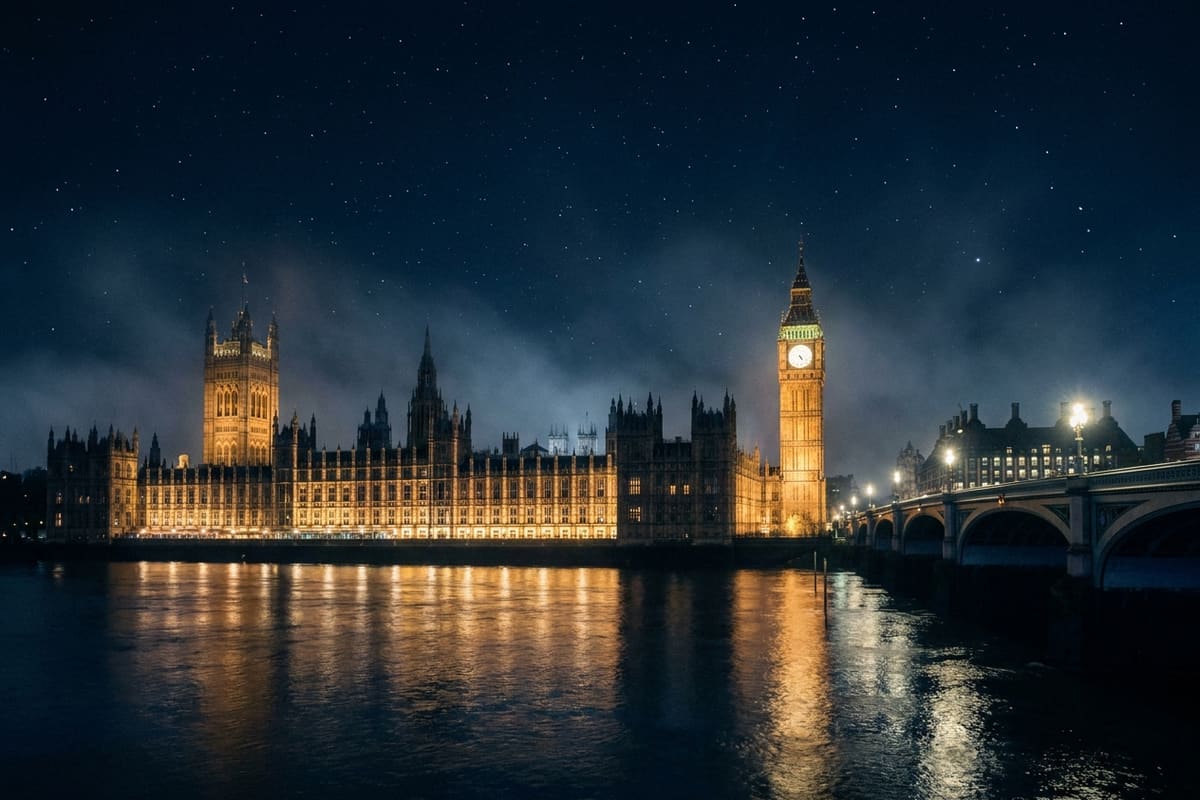




































Where night trains can take you
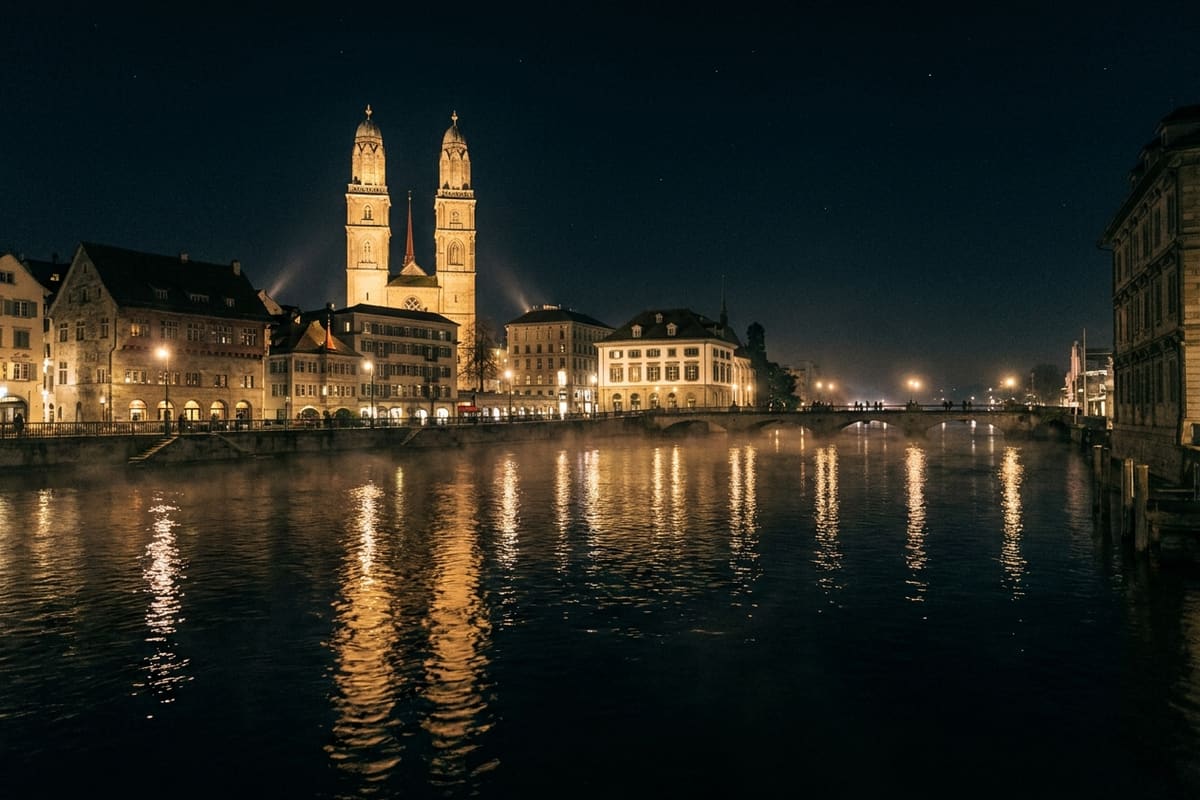
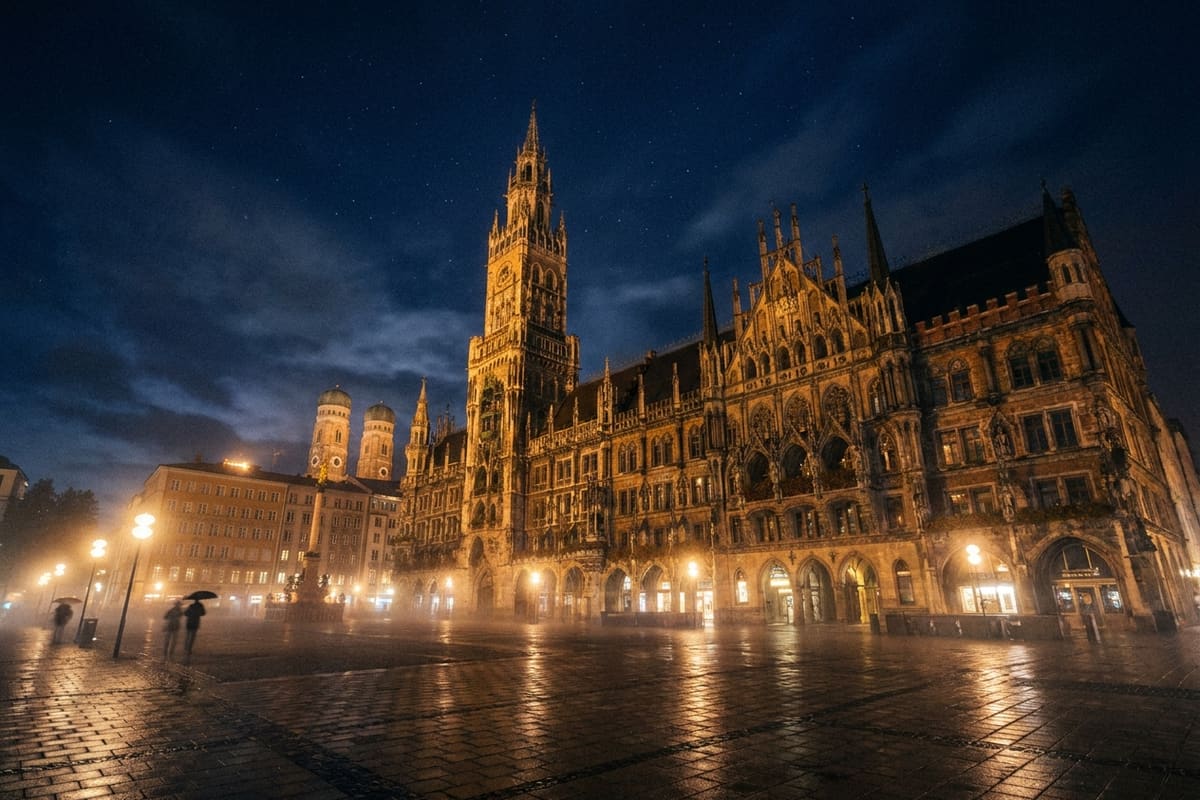
Night trains don’t scatter randomly across the map — they cluster around a handful of natural hubs, and understanding those clusters helps more than trying to memorise individual routes. Vienna sits at the centre of the Alpine and Central European network, ÖBB Nightjet’s home base and the point where lines toward Italy, Germany, Switzerland, Poland, Hungary and Croatia converge. Zurich plays a similar connecting role further west, and Munich has become a busy junction in its own right, feeding services south toward Rome and east toward Warsaw. If your trip touches more than one country in this region, there’s a good chance it routes through one of these three.
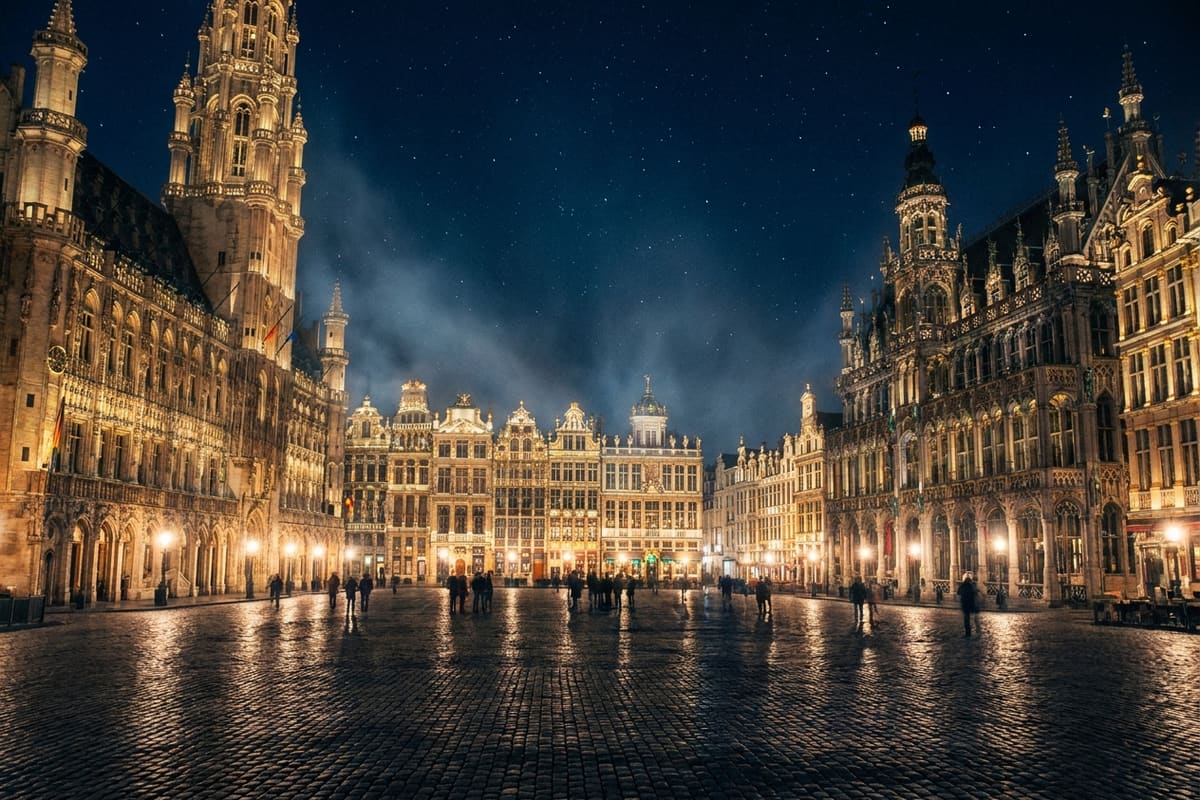
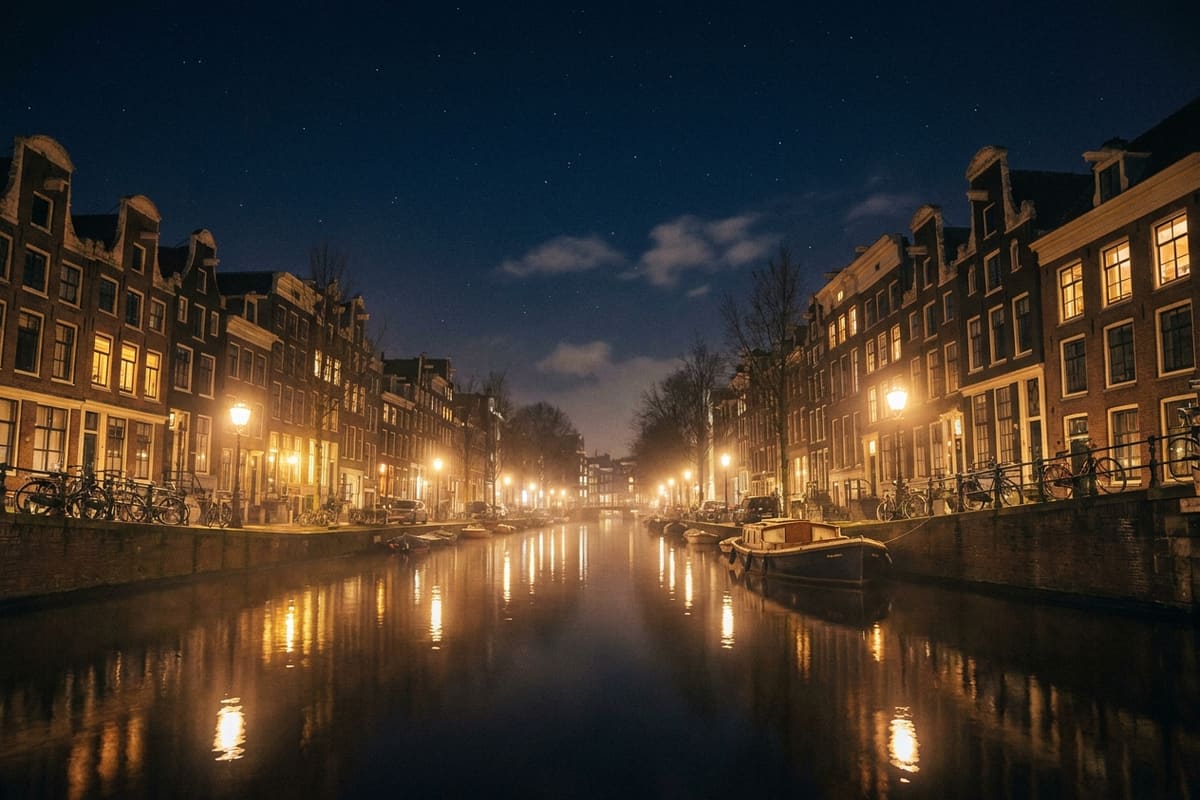
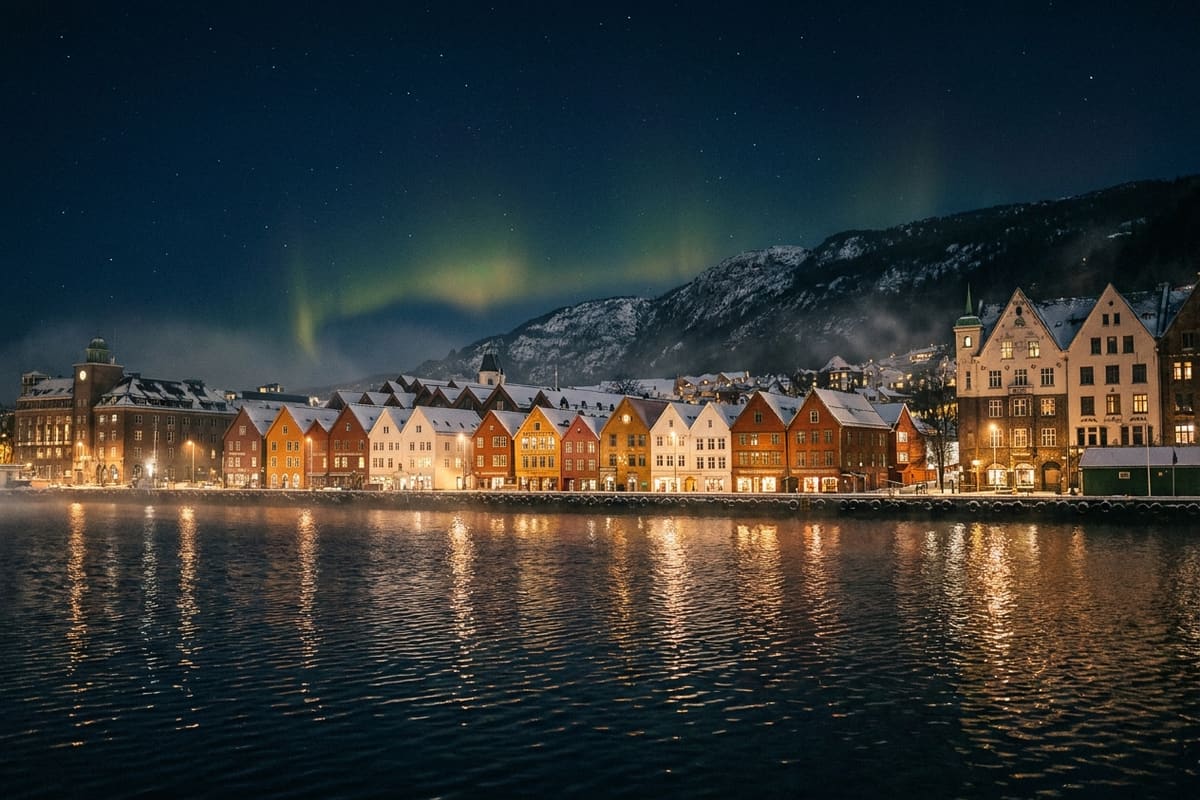
A second cluster sits in the Benelux and Germany corridor — Amsterdam, Brussels, Berlin — which is essentially European Sleeper’s home turf and one of the few parts of the network being actively expanded by a young, independent operator rather than a legacy state railway. Further north again, the Nordic and Arctic lines run from Stockholm up through Swedish Lapland to Narvik, above the Arctic Circle, and out to the ski resort of Åre, with a separate set of lines in Norway linking Oslo, Bergen and Trondheim.
Where geography does the work
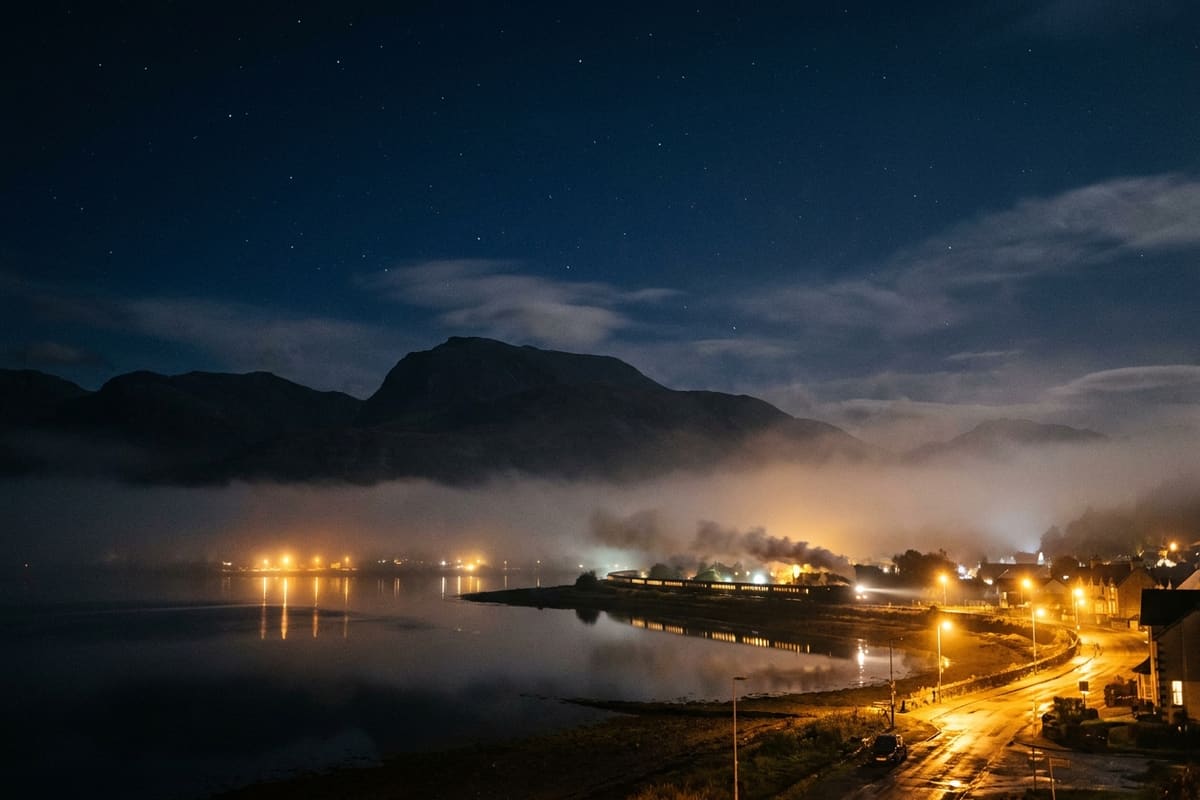
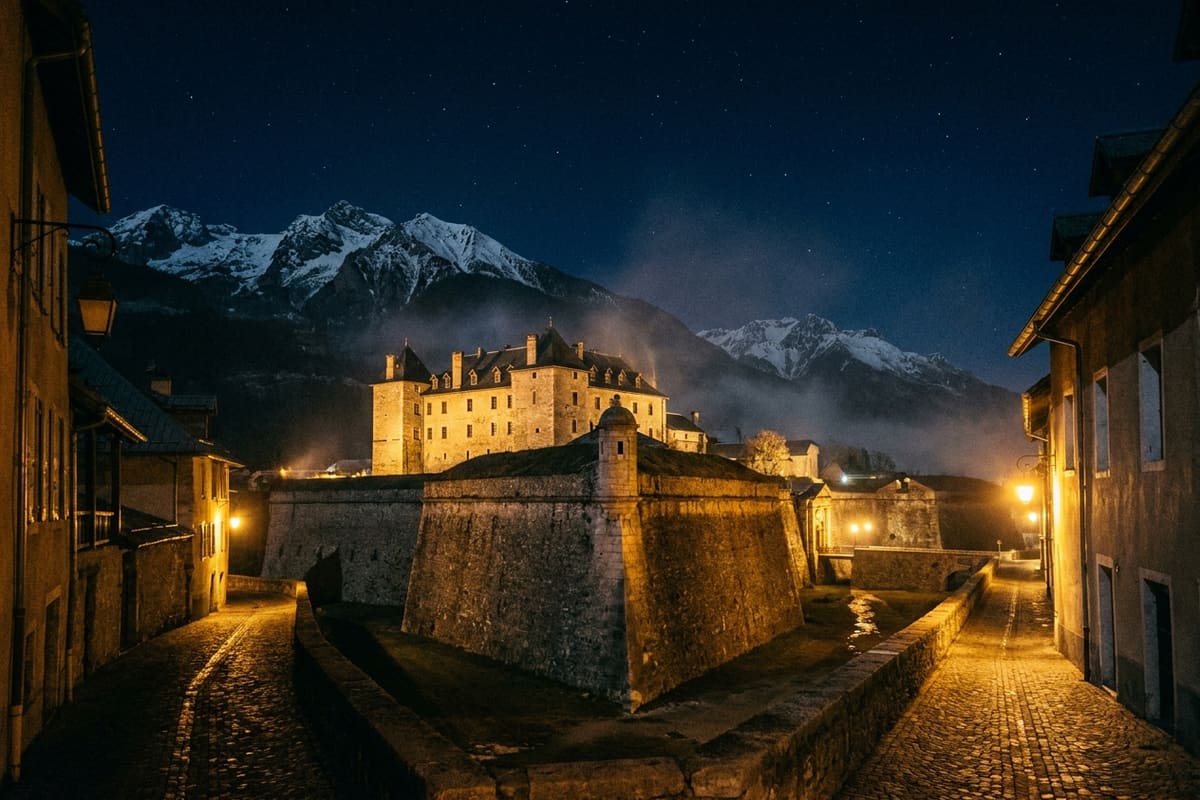
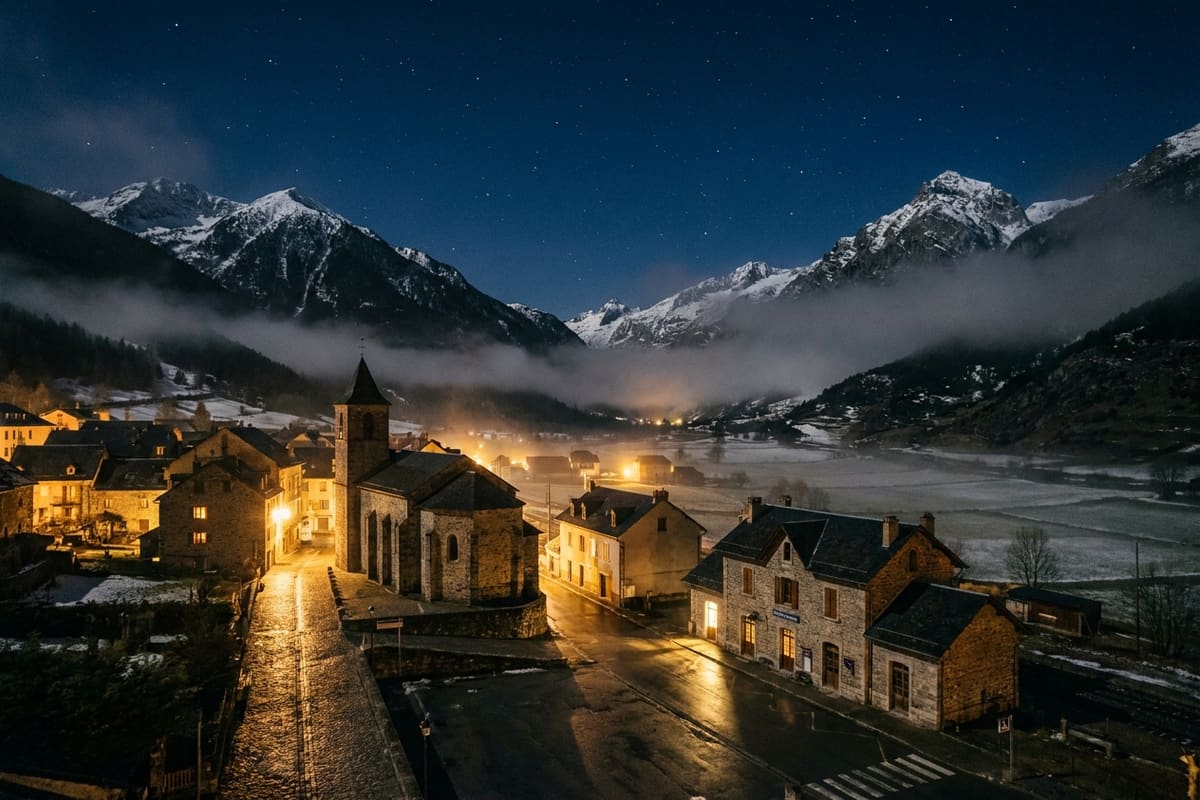
Some destinations are night-train naturals because of terrain, not just distance. Italy’s south and Sicily are a good example: Rome and Milan connect to Palermo, Syracuse and Lecce, and the Rome–Palermo run includes the genuinely unusual experience of the train being split and ferried across the Strait of Messina, carriages and all. The French Riviera and Pyrenees cluster around Paris Austerlitz, historically the departure point for the legendary “Le Train Bleu” to Nice, and reaching Toulouse or the Briançon ski trains — though the Latour-de-Carol line has been suspended since a landslide damaged the track between Foix and Ax-les-Thermes in February 2026, a reminder that this network shifts with terrain and weather as much as demand. The UK Highlands cluster is its own small world: London Euston to Fort William, Inverness and beyond on Caledonian Sleeper, Britain’s only long-distance sleeper service.
A real advantage: arriving downtown
One thing that gets underrated is where you actually land. A night train from Vienna to Rome or from Stockholm into the Nordic interior puts you at a city-centre station, not an airport forty minutes out with a transfer to sort at the wrong end of an exhausting day. That matters more on some clusters than others — the Central and Eastern Europe network linking Prague, Warsaw, Budapest and Bucharest, plus the seasonal Adriatic lines reaching Split and Rijeka in summer, is full of cities where the train station sits inside the old town while the airport sits well outside it. Waking up and walking straight into a city, rather than queuing for a taxi, is a genuine and often overlooked reason to choose the sleeper over the short-haul flight.