

Night-train cabin types explained
Seat, couchette, sleeper or private cabin? Here is what each one really means for privacy, comfort and price — with the same naming across every operator.
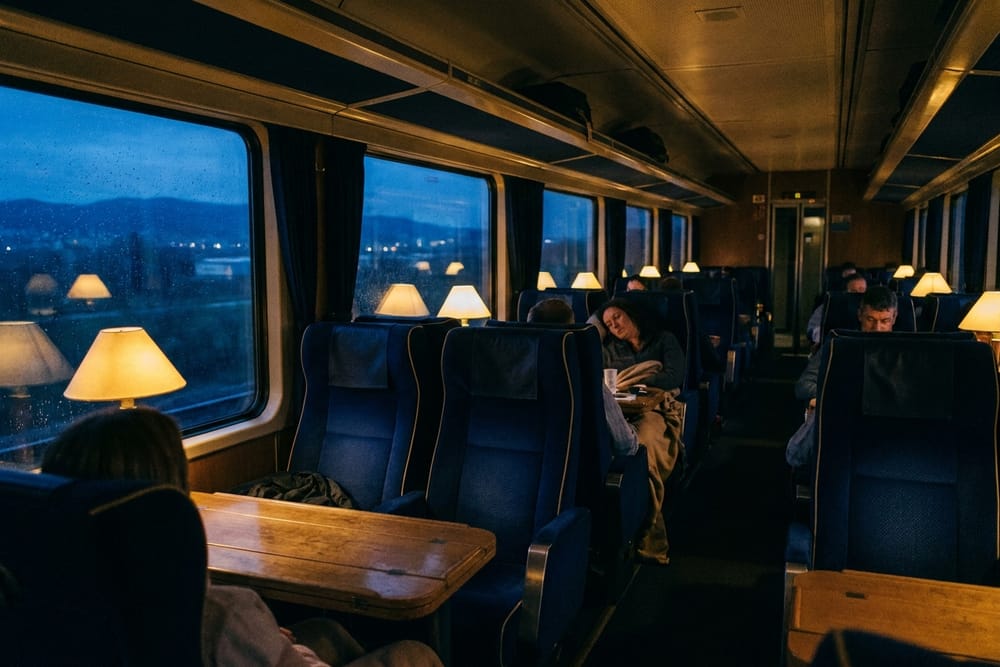
 Ideal for Budget travellers on shorter overnight hops
 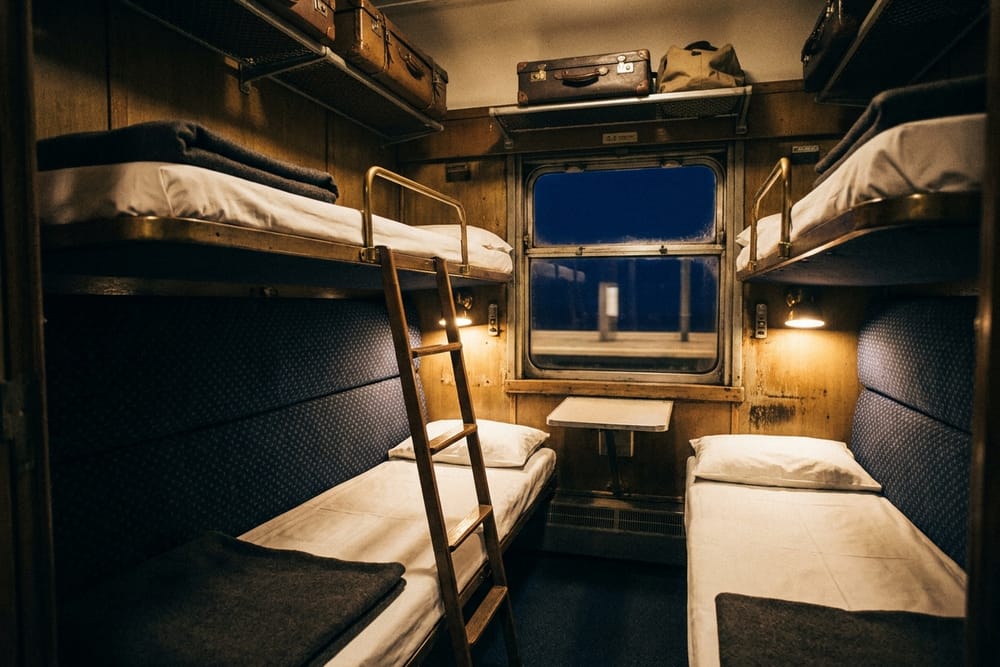 Ideal for Budget travellers, groups and solo travellers watching costs
 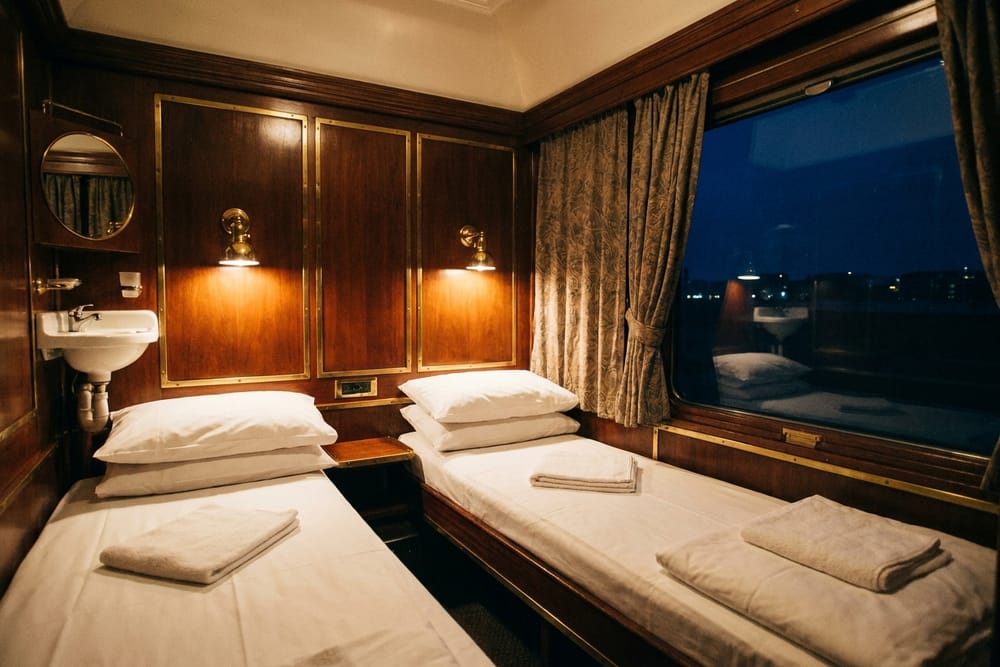 Ideal for Couples, families and comfort-focused travellers
 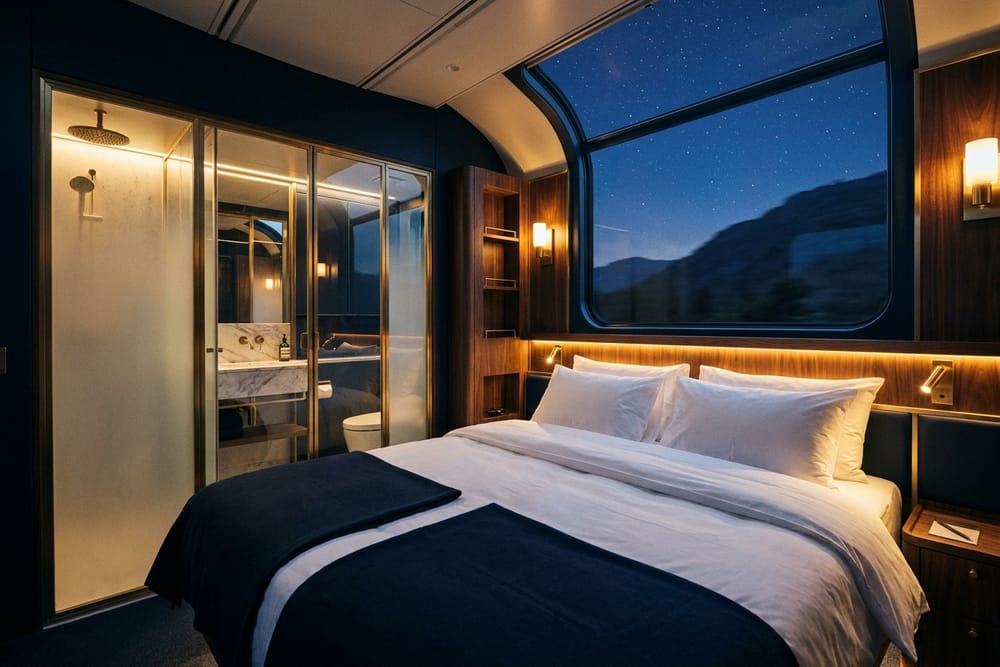 Ideal for Special occasions and maximum privacy or comfort
 | Night-train cabin types explained | Seat | Couchette | Sleeper Cabin | Private Cabin |
|---|---|---|---|---|
| Privacy | ||||
| Comfort | ||||
| What you get | 1 reclining seat | 4-6 berths per compartment (shared) | 1-3 beds per compartment | 1-2 beds - ensuite |
| Ideal for | Budget travellers on shorter overnight hops | Budget travellers, groups and solo travellers watching costs | Couples, families and comfort-focused travellers | Special occasions and maximum privacy or comfort |
| Typical price from | €19 | €35 | €60 | €100 |
*Typical prices — they vary by route, operator and season. Updated 2026-07.
Choosing the right cabin
The cabin you pick affects your trip more than almost any other decision, and it’s worth being blunt about what each tier actually gets you rather than trusting the marketing name. A seat, from around €19, is exactly what it sounds like: one reclining seat in a shared carriage, no bed, no privacy. It’s fine for a short hop or if you can genuinely sleep sitting up, but it’s the lowest sleep quality on offer and it shows the next morning. Treat it as a budget option for routes under seven or eight hours, not as a way to save money on a 14-hour crossing.
A couchette, from about €35, gets you a fold-down bunk in a compartment shared with three to five other people, plus a sheet and blanket, with the washroom down the corridor. It’s the classic backpacker choice and honestly underrated — some operators even include breakfast — but compartments are typically mixed unless you book every berth yourself, which matters if you’re travelling solo, with kids, or simply value privacy. If that’s a concern, ask when booking whether single-sex allocation is possible or budget for the whole compartment.
Sleeper and private: what the step up buys you
A sleeper cabin, from around €60, is the standard mid-range choice for couples and families: one to three beds per compartment, a made-up bed with proper linen, a washbasin inside the compartment on most operators, a lockable door, and breakfast usually included. This is where night-train travel starts to feel like an actual hotel room rather than a seat with a curtain. Go a step further to private or deluxe, from about €100, and you get one or two beds ensuite with a private shower and toilet, often a welcome drink, and breakfast as standard. These are also the cabins that book up fastest and have the most limited allocation on any given train — if you want one, don’t wait.
Naming isn’t standardised
Every operator brands its tiers differently, so the same word can mean different things. ÖBB Nightjet uses “Comfort” and “Comfort Plus” for its newest ensuite mini-cabins. Trenitalia’s Intercity Notte tops out at “Excelsior,” with “Smart” a step down. European Sleeper keeps a plain three-tier system: “Budget,” “Classic,” “Comfort.” Caledonian Sleeper has “Classic Room,” “Club Room” and the “Caledonian Double.” None of these map cleanly onto each other — a “Comfort” cabin on one line isn’t necessarily equivalent to “Comfort” on another — so check the specific inclusions (ensuite or not, single beds or shared, breakfast included or not) rather than assuming from the label.
Who should book what
Solo travellers on a budget do fine in a couchette but should factor in that it’s usually mixed company unless the whole compartment is booked out. Families with young kids are usually happiest in a sleeper, where the door locks and there’s a basin for the morning scramble. Couples wanting real privacy, or anyone who simply wants to arrive rested rather than merely arrived, should budget for private — and book it as early as the operator’s window allows, because it’s the tier that sells out first, every time.